 FEATURED
Guides13 min read
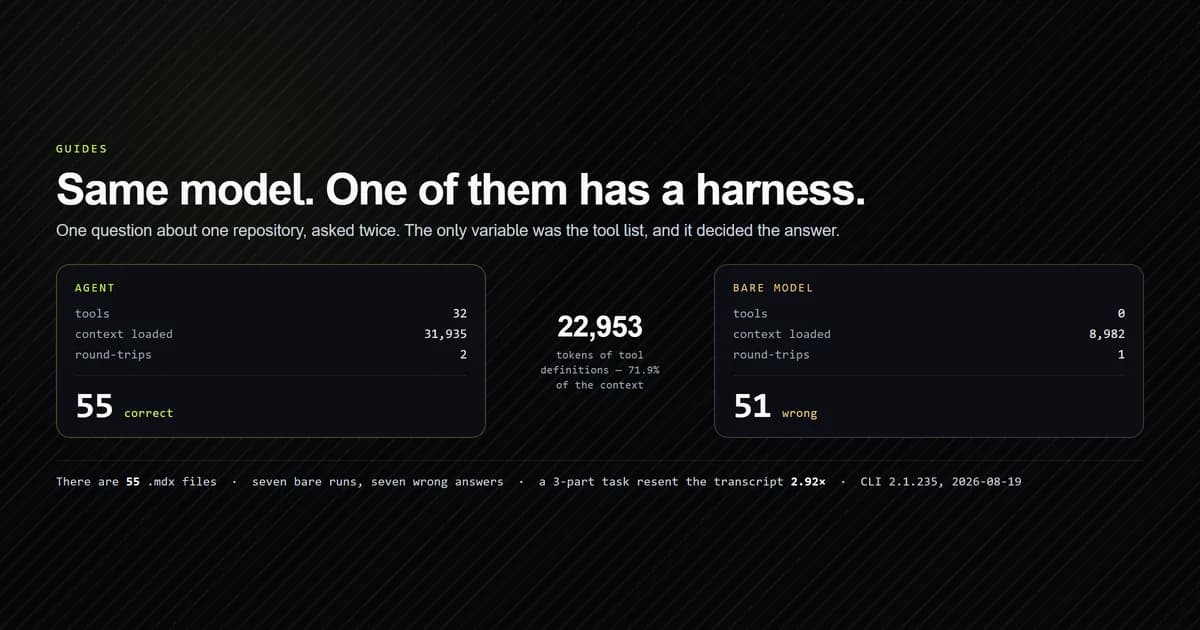
How AI Coding Agents Work: Model Plus Harness
One question, one model, two configurations. Removing the harness cost the right answer and 72% of the loaded context, and the loop sent the transcript three times over.
CATEGORY · 23 ARTICLES
Explanatory and how-to pieces that sit underneath the tool-specific writing: how coding agents actually work, what a context window holds and what displaces what, how AI code review and test generation behave on real diffs, what a SWE-bench score does and does not tell you, and what changes when a team rather than one developer adopts these tools. Start with the mechanism, then the workflow.
FEATUREDOne question, one model, two configurations. Removing the harness cost the right answer and 72% of the loaded context, and the loop sent the transcript three times over.
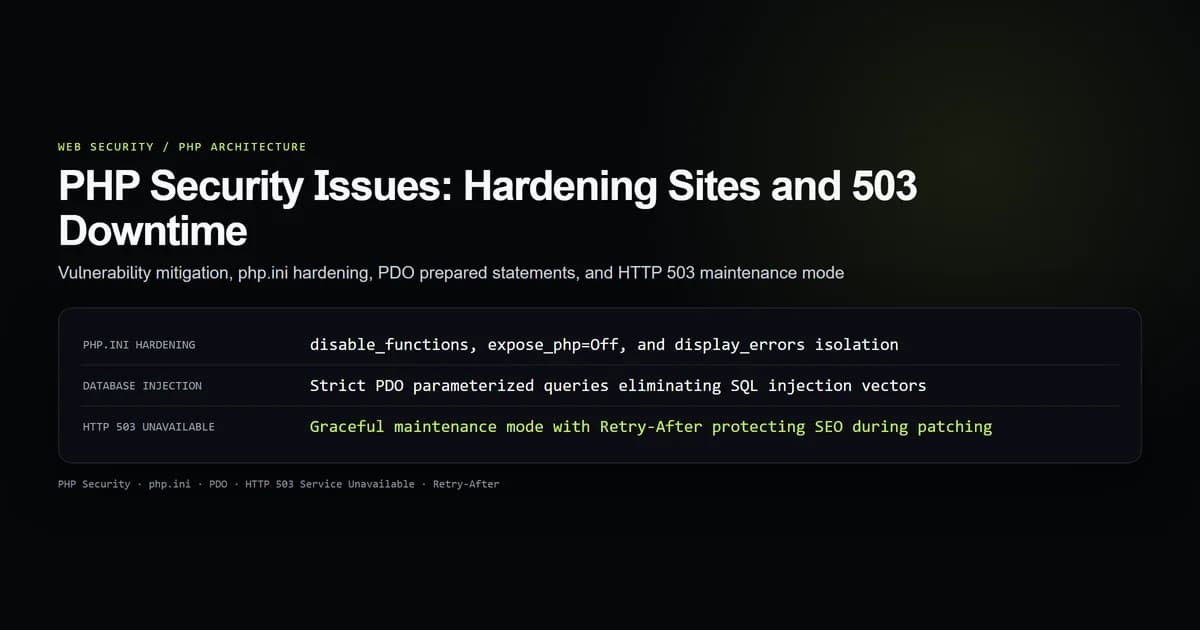
How to diagnose critical PHP security issues, harden php.ini and database queries, and configure HTTP 503 maintenance mode without harming SEO rankings.
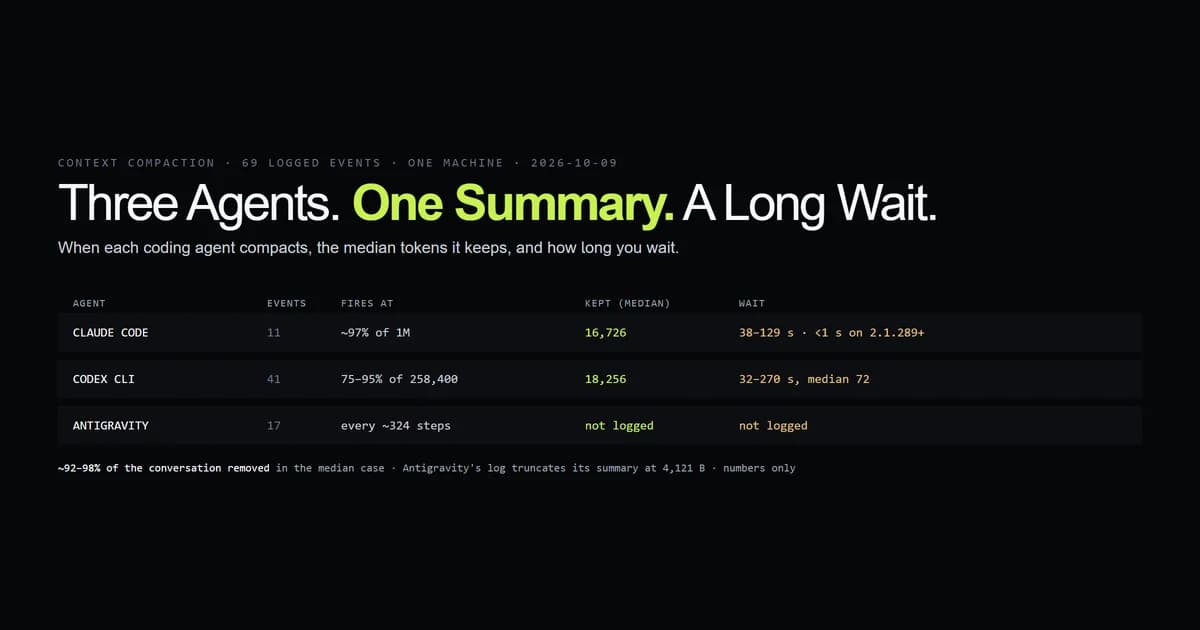
Claude Code waits until 97% of a 1M window. Codex fires between 75% and 95% of 258,400. Antigravity logs the summary and truncates it.
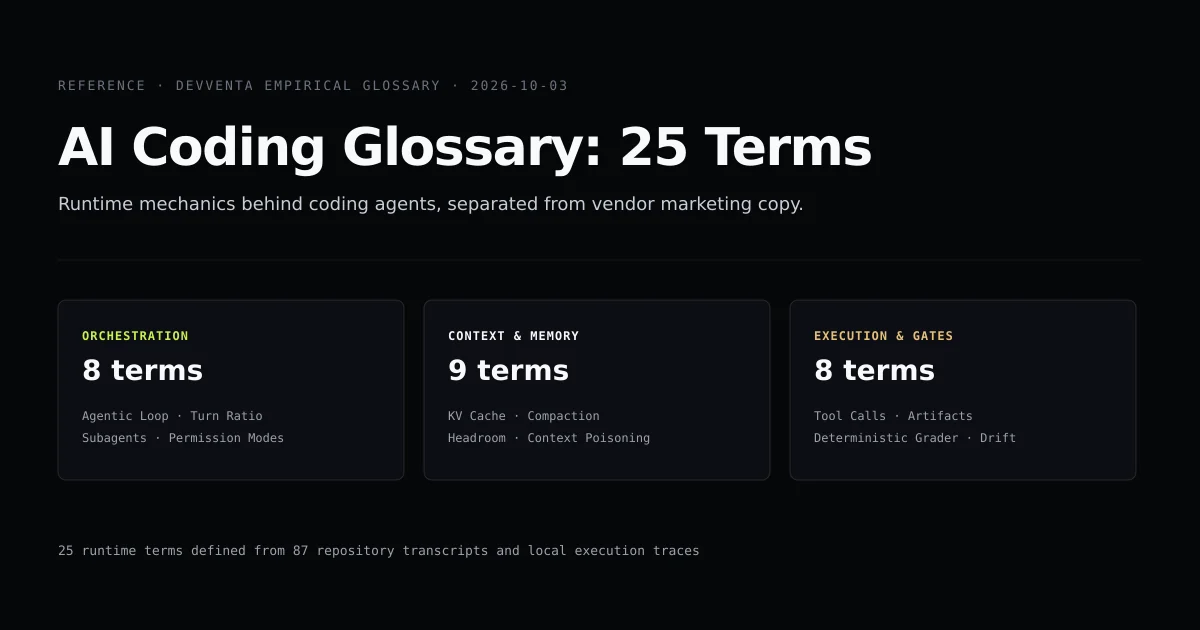
25 runtime mechanisms behind coding agents, from tool calls to KV caching, defined with empirical boundaries rather than vendor marketing.
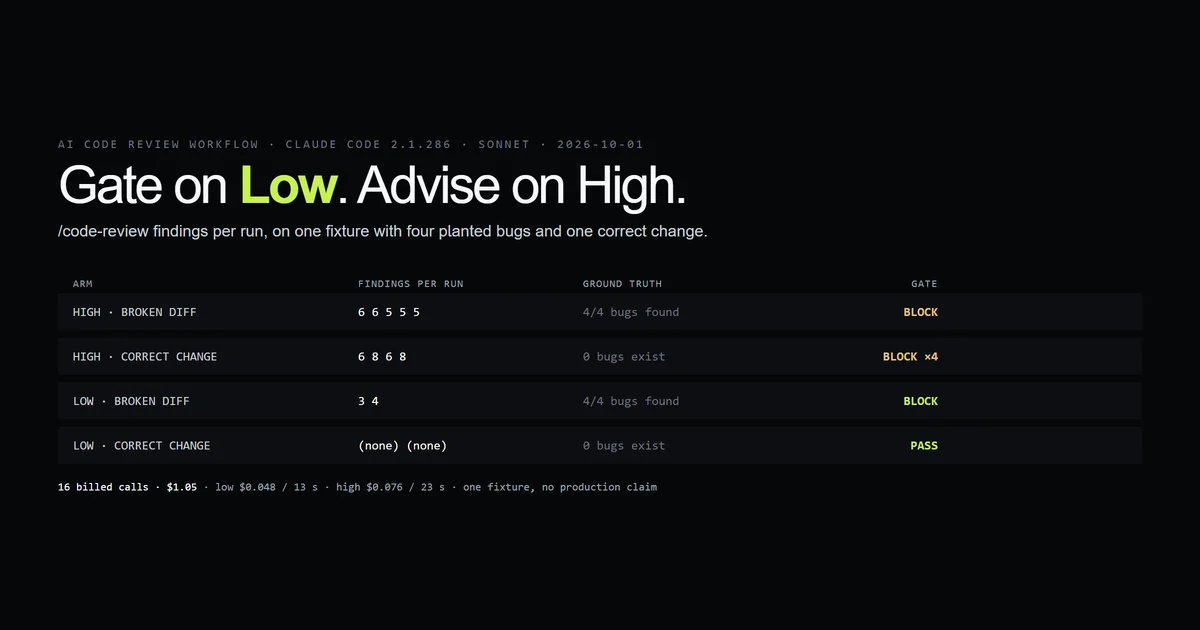
Sixteen billed reviews, one fixture. At high effort the correct change drew more findings than the broken one. At low it drew none.
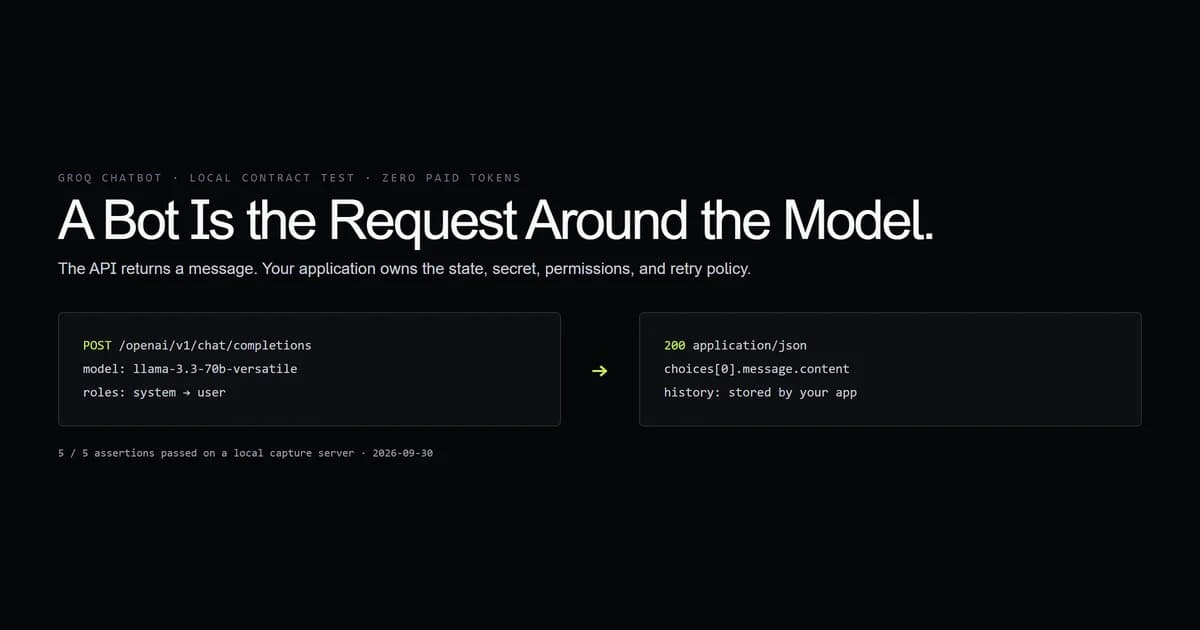
A dependency-free Groq chatbot request, tested locally, with the state, model, error handling, and production boundaries made explicit.
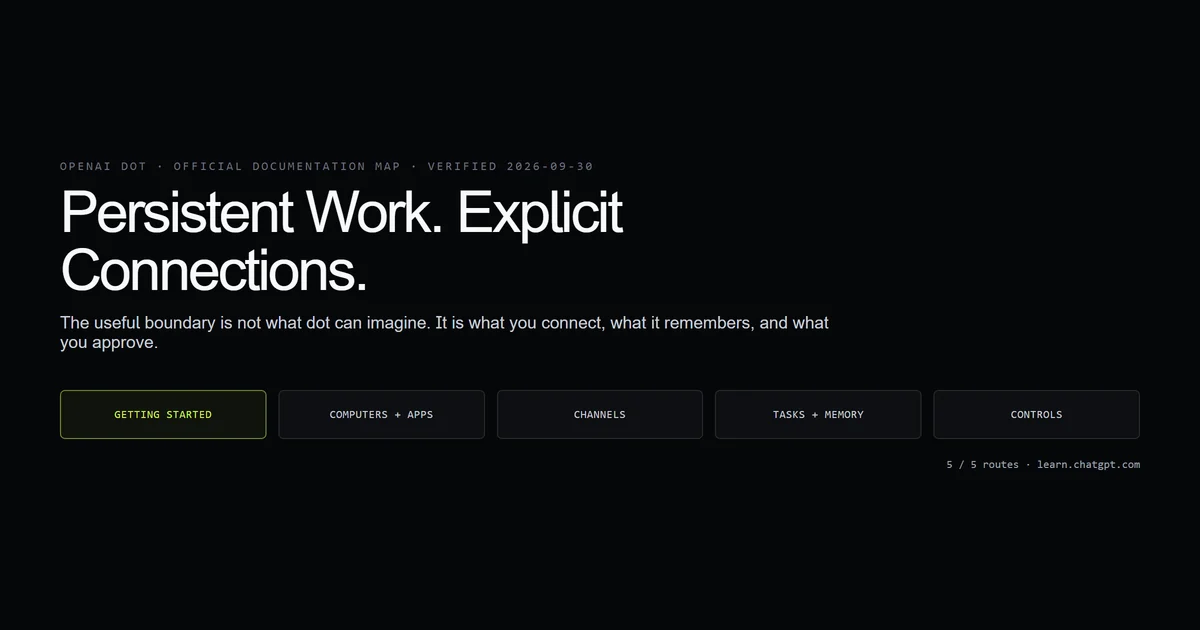
What OpenAI dot does, what it can connect to, and the five official documentation pages to use instead of copied setup instructions.
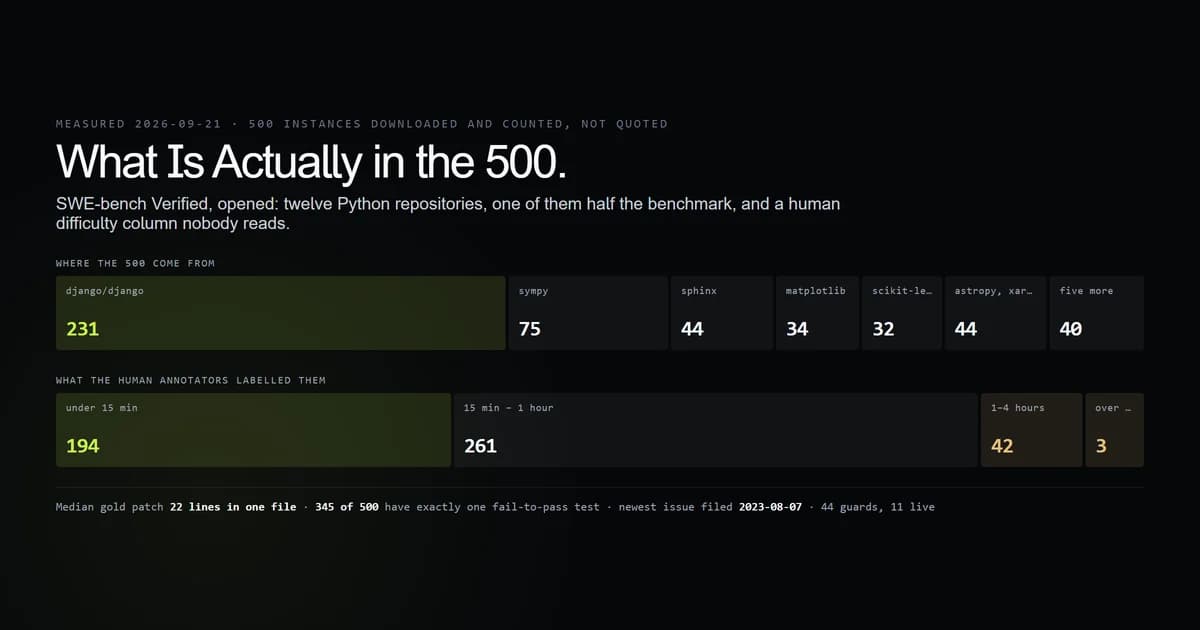
Every vendor quotes a SWE-bench Verified score. We opened the dataset and counted what the 500 problems actually are — repo by repo, label by label, test by test.